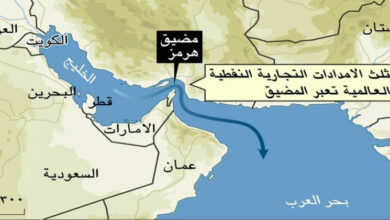

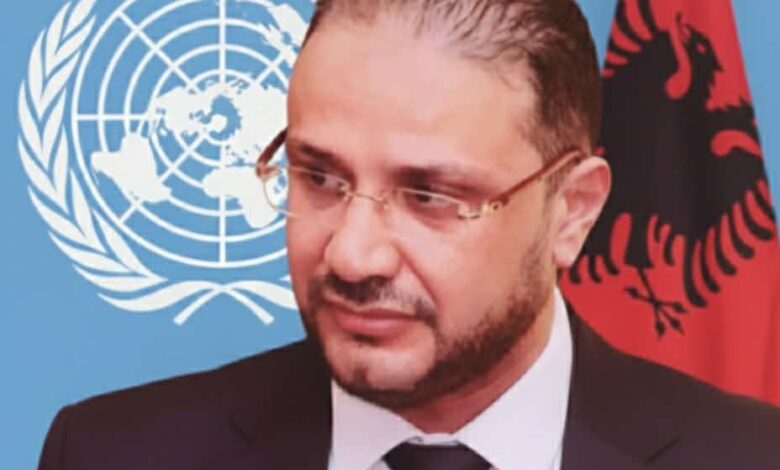
Amid rising regional and international tensions and growing fears of an expansion of conflicts, Wissem Kraiem, Ambassador of the Diplomatic Mission for Peace in Albania, stated in a media interview that hope still remains that the war between Iran and the United States will not escalate further, expressing his hope that it will come to an end as soon as possible. At the same time, he stressed that the real solution lies in opening channels of dialogue, diplomacy, and negotiation among all concerned parties.
These remarks come at a time when the world is experiencing growing anxiety due to the continuation of certain armed conflicts and their political and humanitarian repercussions, placing the international community before a heightened responsibility to work toward containing tensions and avoiding any escalation that could worsen the situation.
The diplomatic official explained that historical experiences have proven that wars cannot provide a lasting solution to conflicts. Instead, they often leave severe losses on both the human and economic levels, in addition to causing political and social instability whose effects can last for many years. Therefore, he emphasized the need to adopt diplomacy as the primary path for addressing disputes, considering negotiation and constructive dialogue to be the shortest route to balanced solutions that preserve the interests of all parties.
He also noted that the international community is now more than ever required to intensify political and diplomatic efforts to calm the situation and bring the viewpoints of different parties closer together, which would contribute to achieving regional and international stability. He further called for supporting initiatives aimed at stopping escalation, affirming that peace remains the best and most sustainable option compared with various military scenarios.
In this context, he stressed that strengthening diplomatic action requires genuine political will from all sides, as well as an active role for international organizations and regional bodies in facilitating dialogue and providing appropriate frameworks for negotiation. He added that building trust between conflicting parties is a fundamental step toward any successful peace process.
On the other hand, several observers of international affairs believe that such statements reflect a growing trend within global diplomatic circles calling for reduced tensions and the avoidance of sliding into wider conflicts that could have serious consequences for security and stability in different regions of the world.
These calls coincide with increasing international voices demanding an end to wars and armed conflicts, especially given the humanitarian crises they create, including population displacement and economic decline in many countries. Experts in international relations emphasize that the success of any political or diplomatic path requires collective international efforts and prioritizing the logic of dialogue over the logic of force.
In conclusion, the ambassador reiterated that hope still remains for reaching a peaceful settlement that would end the war and put a stop to the suffering of civilians. He called on all parties to act with wisdom and responsibility and to engage seriously in negotiation processes. He also stressed that peace remains the ultimate goal toward which all international efforts should strive, as it represents a fundamental guarantee for achieving stability and development in different parts of the world.